 TURMAN GROUP
Georgia at a glance
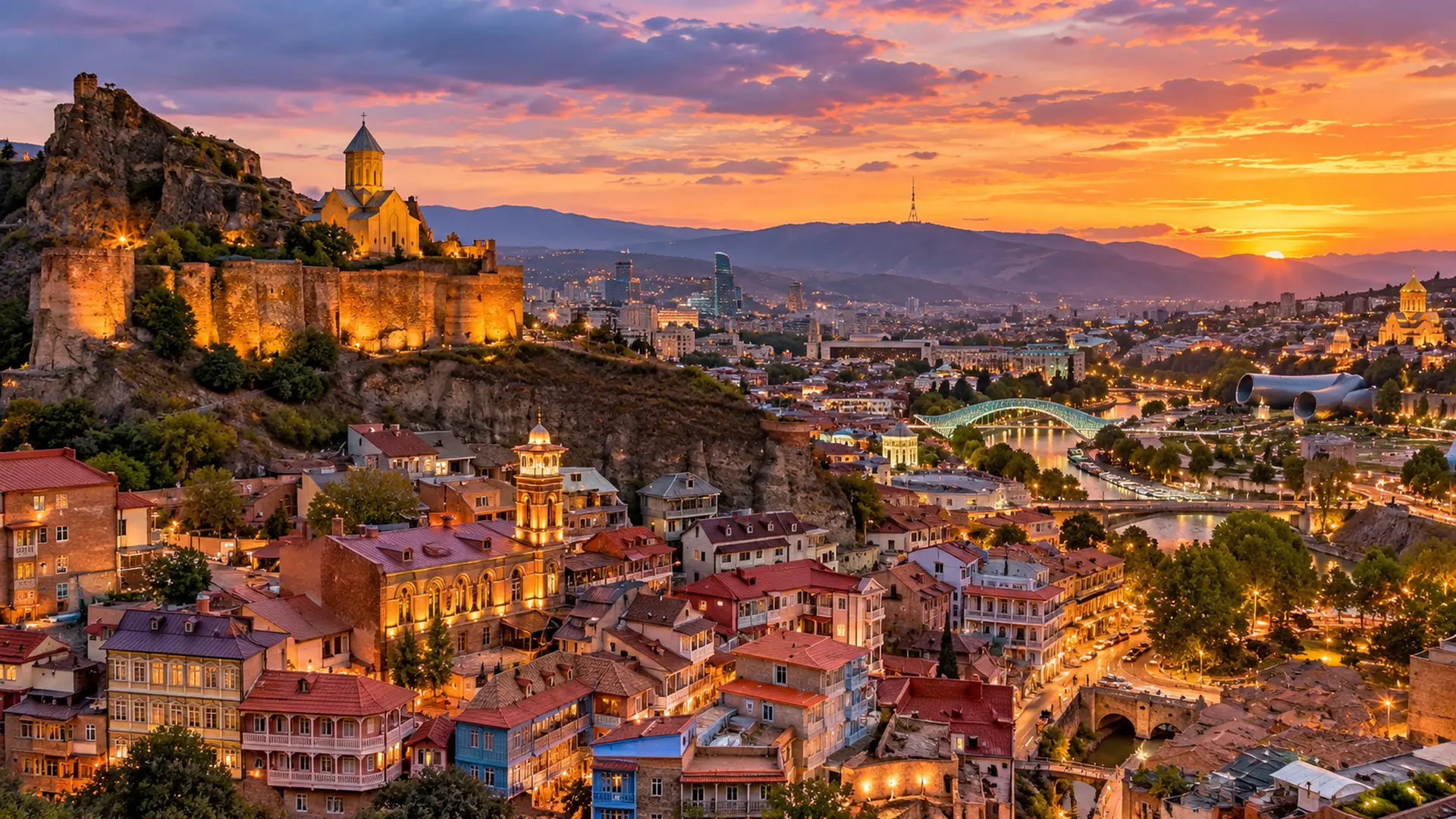
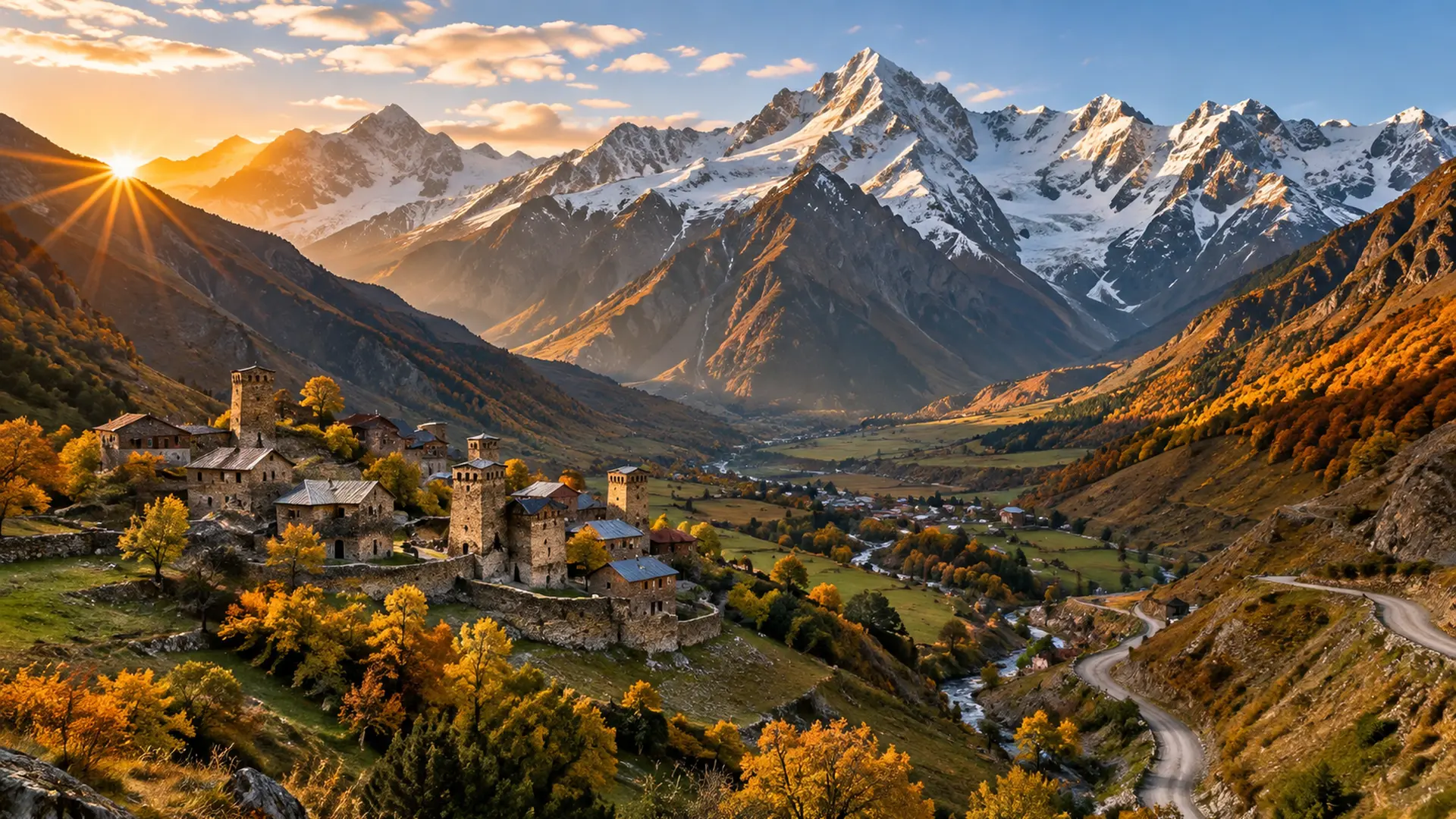
Georgia lies in the South Caucasus, between the Black Sea and the Greater Caucasus range. Tbilisi is the capital; Batumi is the Black Sea gateway. Each region has its own landscape, food, music and traditions.
WHY GEORGIA
At the meeting point of the Black Sea and the Caucasus, Georgia brings together ancient kingdoms, early Christianity, a unique alphabet, living traditions and radically different landscapes.
Explore toursGeorgia lies in the South Caucasus, between the Black Sea and the Greater Caucasus range. Tbilisi is the capital; Batumi is the Black Sea gateway. Each region has its own landscape, food, music and traditions.
Colchis and Iberia connected the Black Sea, Caucasus and ancient trade routes.
Christianity became a defining force in Georgian state and culture.
Political unification and the Golden Age under David IV and Queen Tamar.
Imperial rule, a brief republic, Soviet period and renewed independence in 1991.
A modern Georgian state with ancient language, living regional traditions and a global diaspora.
Christianity became central to Georgian state and culture in late antiquity. Sites such as Svetitskhoveli, Jvari and Gelati connect faith, architecture, art and education.
Asomtavruli, Nuskhuri and Mkhedruli form one continuous living tradition. UNESCO inscribed the living culture of the three writing systems in 2016.
From Shota Rustaveli's medieval epic to Vazha-Pshavela, Ilia Chavchavadze and Galaktion Tabidze, literature shapes national memory. Polyphonic singing, regional dance and the supra remain living social traditions.
Georgia's winemaking tradition reaches back about 8,000 years. The qvevri method, grape varieties and Kakhetian landscape turn wine into history, craft and hospitality.